

CASO DE ESTUDIO: CEREALES INDUSTRIALES
4,000 documentos. 12 departamentos. Conocimiento crítico encerrado en la cabeza de tres personas. Dos horas para cambiarlo todo.
Cuando Cereales Industriales nos contactó, su problema no era falta de datos — era exceso. 4,000 documentos distribuidos en 12 departamentos. Conocimiento crítico en la cabeza de 3 personas que llevan 20 años en la empresa. Y una competencia que no espera.
No era un problema de tecnología. Era un problema de inteligencia organizacional acumulada en lugares a los que ningún sistema podía acceder. Este es el caso de cómo cambiamos eso en menos tiempo del que toma una reunión de directivos.
EL DESAFÍO
Cereales Industriales es una empresa colombiana mediana con más de 500 empleados en el sector alimenticio. Una operación sólida, bien establecida — y con todos los problemas clásicos de una empresa que ha crecido sin sistematizar.
Procesos documentados en Word, Excel y PDF sin estructura ni version control
Conocimiento tácito crítico no capturado en ningún sistema
Dependencia extrema de "los que saben": 3 personas con 20+ años en la empresa
Tiempo de onboarding para un nuevo gerente: 6 meses mínimo
Imposible saber qué sabe la empresa sin preguntarle a esas 3 personas
El riesgo no era hipotético. Dos de esas tres personas tenían planes de jubilación en los próximos dos años.
LA SOLUCIÓN
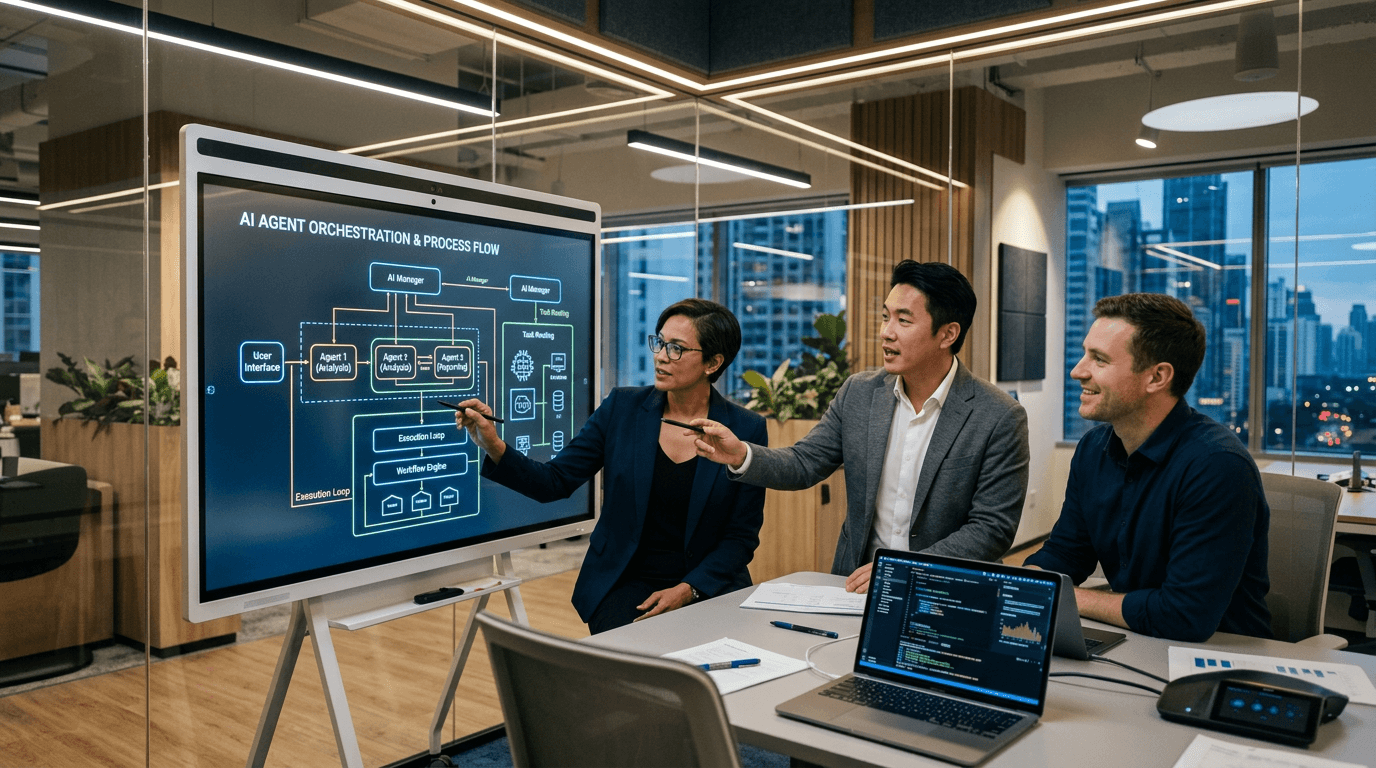
ODIN procesó el corpus completo de documentos de Cereales Industriales en una sola sesión. Sin configuración previa. Sin meses de implementación. Sin consultores mapeando procesos en post-its.
4,000 documentos procesados: manuales operativos, contratos, correos clave, reportes históricos, procedimientos internos.
1,284 entidades identificadas y categorizadas: procesos, actores, recursos, reglas de negocio, dependencias.
47 procesos core con sus dependencias, secuencias y responsables — incluyendo procesos que nadie había documentado formalmente.
89 reglas de negocio implícitas que operaban sin documentación. Nadie las había escrito — simplemente "todos sabían".
3 alertas de dependencia crítica identificadas proactivamente antes de que se convirtieran en emergencias.
RESULTADOS EN NÚMEROS
6 meses para onboarding de nuevo gerente
Conocimiento en cabeza de 3 personas
4,000 docs sin estructura ni acceso
Reglas implícitas no documentadas
Riesgos operativos invisibles
2 semanas de onboarding estimado
Conocimiento accesible para toda la organización
47 procesos mapeados con dependencias visibles
89 reglas documentadas y validadas
3 alertas críticas atendidas proactivamente
LO QUE DESCUBRIERON
El hallazgo más valioso no fue mapear lo que Cereales Industriales ya sabía sobre sí misma. Fue descubrir lo que no sabía que sabía.
"Lo más impactante no fue la velocidad del procesamiento. Fue descubrir que 3 procesos críticos dependían de una sola persona que se jubila en 18 meses."
Los patrones ocultos que ODIN identificó:
3 procesos core dependían de una sola persona. Sin documentación. Sin respaldo. Un riesgo existencial que nadie había cuantificado.
12 reglas de negocio que diferentes áreas aplicaban de forma contradictoria. Nadie lo sabía porque nadie las había comparado antes.
5 procesos ejecutados por diferentes departamentos con nombres distintos pero objetivos idénticos — trabajo duplicado sin saberlo.
QUÉ SIGUE
La primera fase fue mapear. La segunda es vivir. ODIN ahora monitorea la operación de Cereales Industriales en tiempo real: detecta cuando los procesos documentados se desvían de la realidad, alerta cuando emergen nuevas dependencias, y actualiza el knowledge graph conforme la empresa evoluciona.
La tercera fase es la anticipación: alertas proactivas sobre riesgos antes de que se materialicen. No solo saber qué está pasando — saber qué va a pasar.
Cereales Industriales no solo documentó su operación — la hizo visible por primera vez. Y lo que es visible puede mejorarse.
Tu empresa tiene la misma oportunidad
Agenda una sesión estratégica y mapea el potencial de la IA en tu operación.
Servicios
Industrias
Contacto
- info@neocortexlabs.com
- Santiago de Cali, Colombia
Síguenos
- YouTube
- X (Twitter)